
Exhibit · Article
חצר בגלות עירונית
וינה, 1919 — 1939
לאחר נפילת האימפריה ההבסבורגית בשנת 1918, שושלות החסידים הגליציאניות ששרדו את החזית המזרחית — קופיצ'ינצה, סדיגורה, הוסיאטין, בויאן — העבירו את חצרותיהן לווינה שלאחר האימפריה. במשך שני עשורים החזיקה העיר חברה של אדמו"רים, סופרים וחסידים שחיו בין גתה לשטעטל. הם ערכו תשליך אל הדנובה, אפו מצה בשיפגאסה, חיתנו את ילדיהם בלאופולדשטאט, ורכבו ברחובות העיר הפנימית בכרכרות מתקופת ההבסבורג. במרץ 1938 האנשלוס סגר את העולם הזה. עד שנת 1942 רוב הגברים בתמונות אלו כבר לא היו.
5 min read
חצר בגלות קוסמופוליטית. וינה, 1919 עד 1939.
לאחר מלחמת העולם הראשונה, האימפריה ההבסבורגית התפרקה. וינה הפכה לבירתה החדשה של רפובליקה אוסטרית קטנה. קהילות חסידיות מגליציה ובוקובינה — אזורים יהודיים של האימפריה לשעבר — התיישבו בוינה כפליטים. מספר חצרות חסידיות התבססו מחדש בלאופולדשטאט, הרובע היהודי המסורתי של העיר. במפקד האוכלוסין של 1923, כמעט ארבעים אחוז מלאופולדשטאט היו יהודים; הקהילה היהודית הווינאית הרחבה מנתה בערך מאתיים אלף איש, השלישית בגודלה באירופה. האדמו"רים העקורים שהקימו שטיבלעך — חדרי תפילה ולימוד קטנים — בלאופולדשטאט כללו את חצרות סדיגורה, הוסיאטין, קופיצ'יניץ, טשורטקוב וויז'ניץ, כולן ענפים של שושלת רוז'ין. בספטמבר 1929 אירחה העיר את הכנסייה הגדולה השנייה, האספה הגדולה של אגודת ישראל.
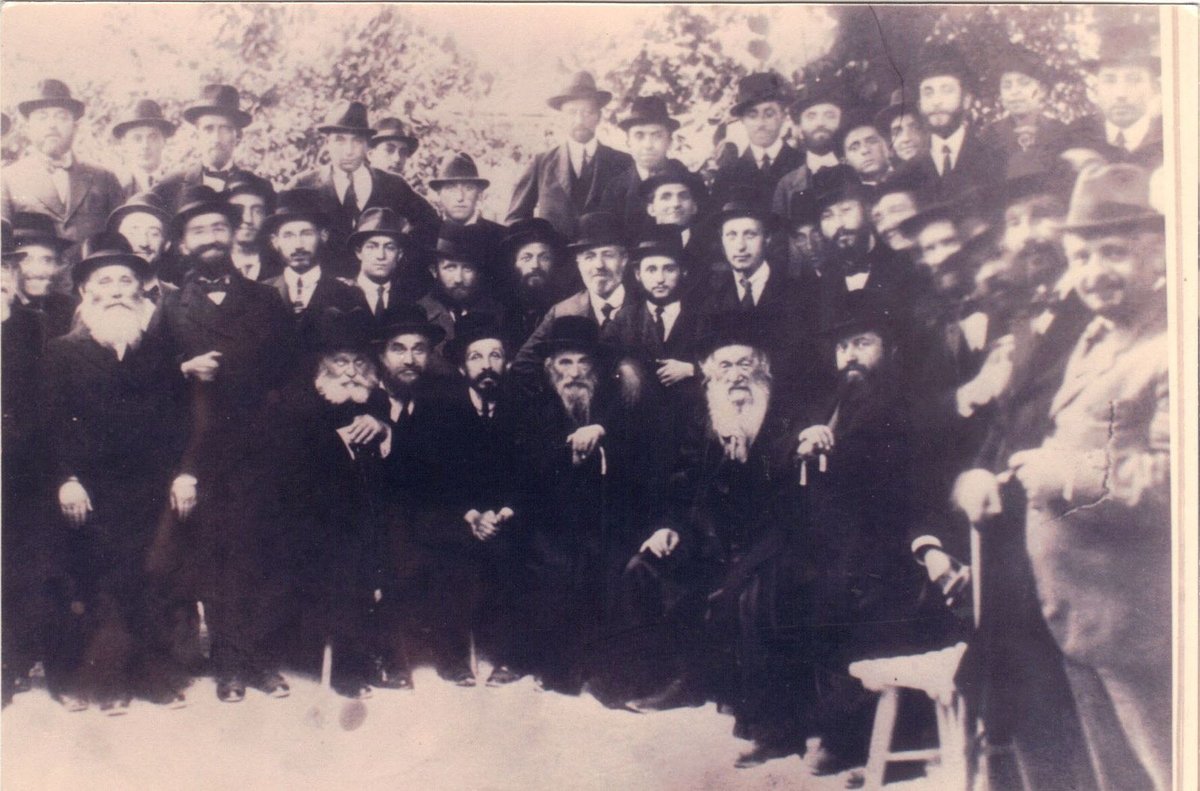
באדן, ליד וינה, בסביבות שנת 1920. הנחת אבן הפינה לבית יתומים יהודי. הבית היה פרויקט של קרן יתומי המלחמה של אגודת ישראל ונפתח לילדים בשנת 1921. כארבעים אלף חיילים יהודים בצבא האוסטרו-הונגרי נהרגו בחזית בין השנים 1914 ל-1918; היתומים שלהם היו הילדים שלמענם נבנה הבית הזה. יושבים, מימין לשמאל: הרב בן ציון כץ, אב בית דין של צ'רנוביץ; הרב אברהם מנחם שטיינברג מברודי, מחבר מחזה אברהם; הרב מאיר אריק; הרב אברהם יהושע השל מקופיצ'ניץ; הרב יצחק קלמן מויטביניאבצ'יק; הרב גרשון ויינשטוק מקיטוב. אב בית דין פירושו ראש בית הדין הרבני המקומי.
וינה, בין השנים 1924 ו-1935. הרב אברהם יהושע השל ממז'יבוז'-טרנופול יושב בכרכרה ברחובות העיר, עם דודו הרב ישראל מהוסיאטין ואחיו הרב משה השל. הרב ישראל היה האדמו"ר מהוסיאטין בגליציה עד 1914; כמו שאר האדמו"רים מרוז'ין, הוא העביר את חצרו לוינה עם פרוץ מלחמת העולם הראשונה. לצד התצלום הזה: הרב אברהם יהושע השל מקופיצ'יניץ, האדמו"ר מקופיצ'יניץ בוינה. הוא ירש את אביו, הרב יצחק מאיר, שייסד את חצר קופיצ'יניץ בשנת 1894 וגם כן נמלט לוינה בשנת 1914. התצלום מתוארך בין השנים 1924 ו-1939.
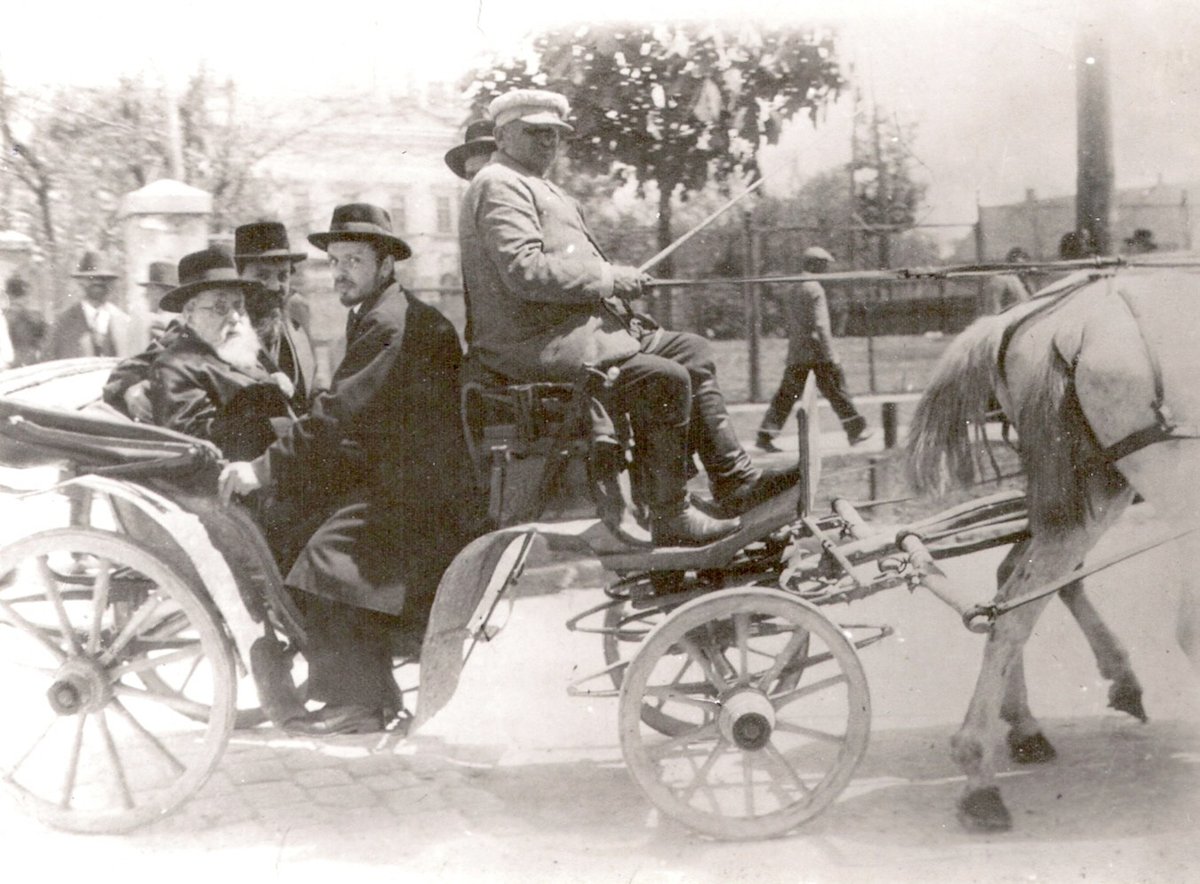
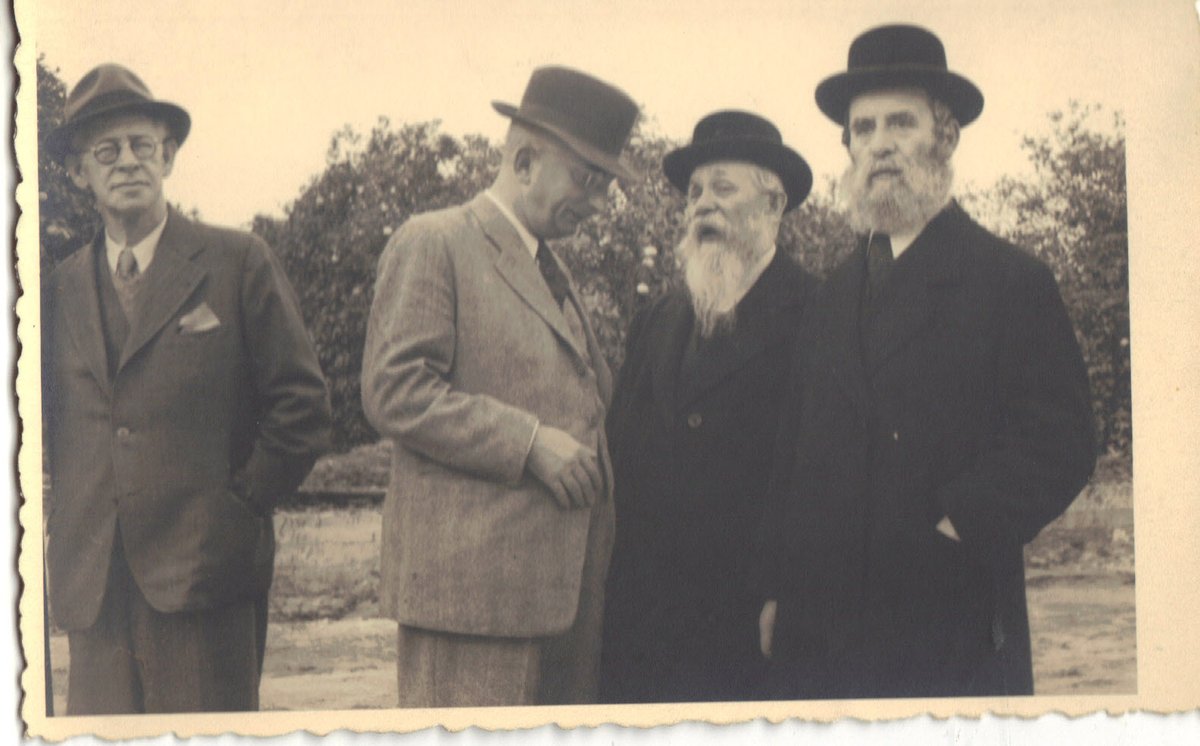
רבי ישראל מהוסיאטין ורבי אברהם יהושע העשיל ממז'יבוז'-טרניפול בוינה — תרפ"ה-תרצ"ה / רבי אברהם יהושע העשיל מקפיטשניץ וגיסו רבי אברהם יעקב מסדיגורא ה"אביר יעקב" בימי מגורם בוינה — תר"צ-תרצ"ט
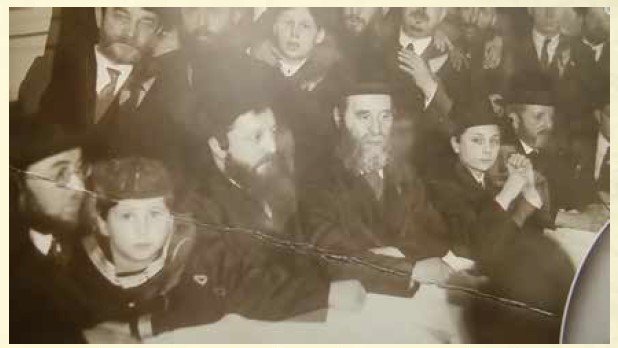
וינה, 1925 או 1926. בר המצווה של ישראל אהרן וולף. הנער עומד בין שני דודיו: הרב אברהם יעקב פרידמן מסדיגורה — הידוע בכינויו על שם חיבורו התורני, "אביר יעקב" — ואחיינו הרב מרדכי שלום יוסף פרידמן מסדיגורה, "הכנסת מרדכי". שושלת סדיגורה נוסדה בשנת 1850 על ידי סבו של הרב אברהם יעקב, שנקרא על שמו, בנו של רבי ישראל מרוז'ין. עם פרוץ המלחמה בשנת 1914, ברחו אדמו"רי סדיגורה מבוקובינה לוינה ונשארו שם במשך עשרים וארבע השנים הבאות. מימין נמצא אביו של הנער, הרב צבי.
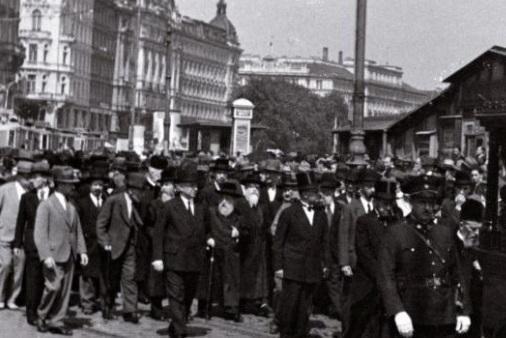
14 בדצמבר 1927. הלווייתו של הרב צבי פסח חיות — בגרמנית, צווי פרץ חיות — אשר שימש כרב הראשי של וינה משנת 1918 ועד פטירתו ביום הקודם. הרב הראשי של הקהילה היהודית השנייה בגודלה באירופה, חיות היה דמות יוצאת דופן: תלמודיסט יליד גליציה, ציוני וחוקר מקרא בתקופה שבה עמדות אלו היו במתח זו עם זו. מותו בגיל חמישים ואחת סיים תשע שנים של הנהגה קהילתית. הרב אברהם יהושע השל מקופיצ'יניץ הולך עם דודו הרב ישראל מהוסיאטין ודודו הרב יעקב מהוסיאטין. מאחוריהם, החזן — הקנטור — אשר הוביל את התפילה.
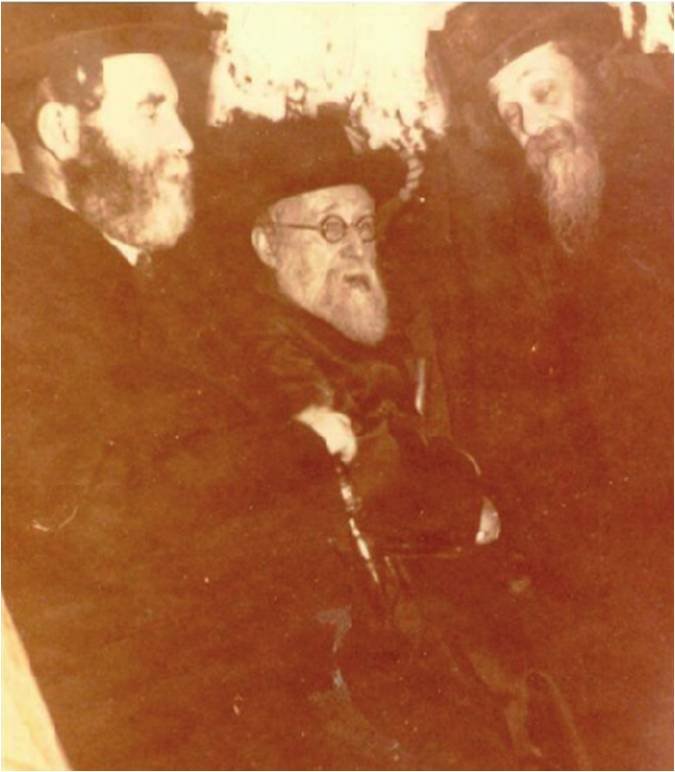
אפיית מצה בווינה, בין השנים 1924 ו-1939. מימין, רבי אברהם יהושע השל מקופיצ'יניץ. במרכז, דודו רבי ישראל מהוסיאטין. לצידם, גיסו רבי אברהם יעקב מסדיגורה, אביר יעקב. נוכחותם של כל כך הרבה אדמו"רים גרמה לכך שהקהילה החסידית בעיר ייצרה מצה בקנה מידה לא שגרתי מחוץ לגליציה: השגחה קפדנית, יום טקסי ארוך, מים שנשאבו בלילה הקודם. המצה השמורה שנאפתה כאן שירתה את חצרות סדיגורה, הוסיאטין וקופיצ'יניץ ואת חסידיהם ברחבי העיר.
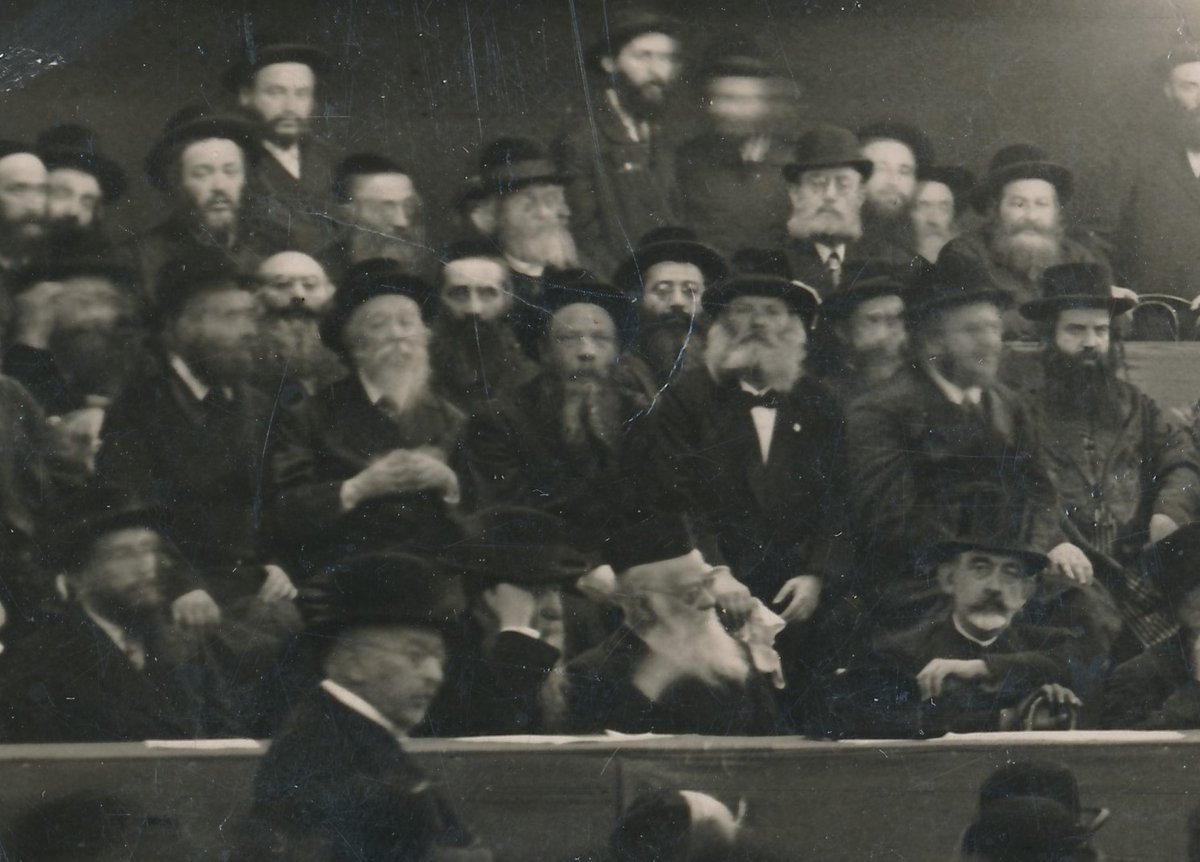
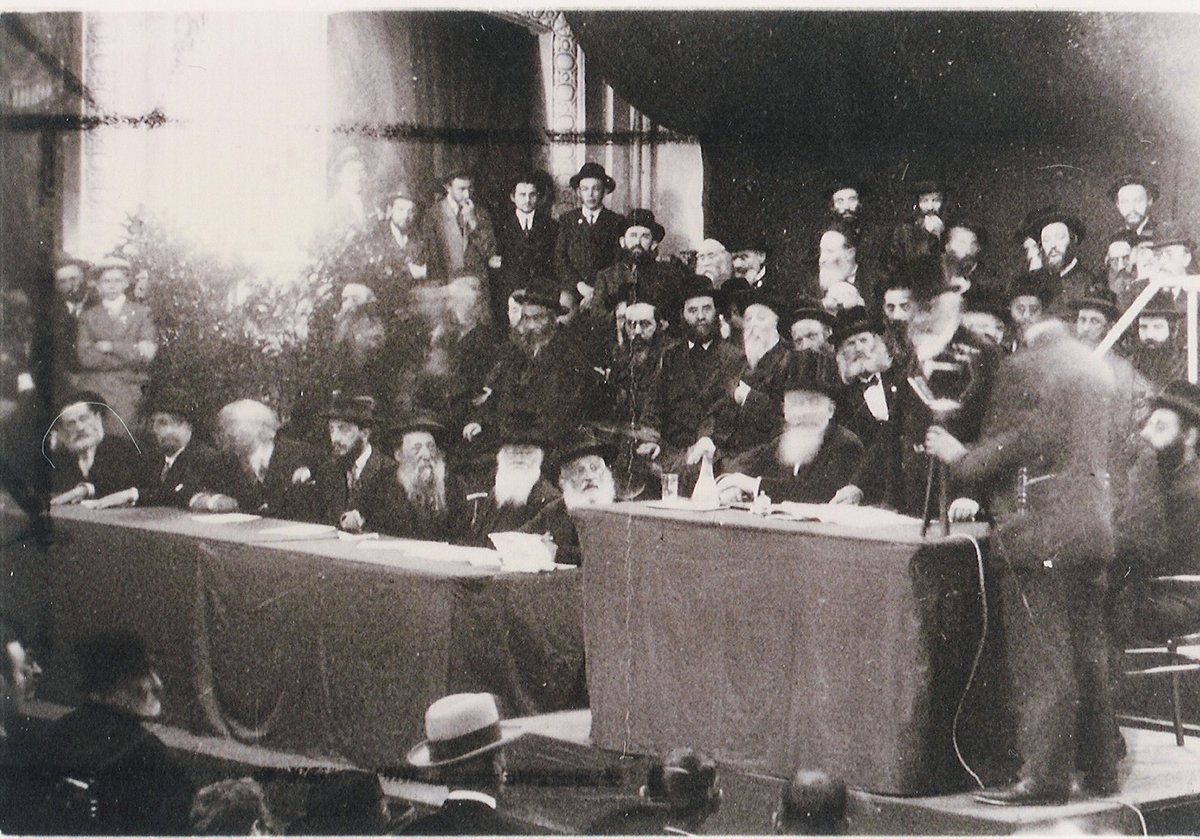
וינה, ספטמבר 1929. הכנסייה הגדולה השנייה — האספה הגדולה של אגודת ישראל — התכנסה בעיר. מאתיים ושישים נציגים השתתפו. האספה חפפה עם סיום מסכת זבחים של התלמוד הבבלי, הכרך הראשון שהושלם במסגרת תוכנית הדף היומי החדשה. דף יומי — דף תלמוד ליום, הנלמד בסינכרון עולמי — הוצע על ידי הרב מאיר שפירא בכנסייה הגדולה הראשונה בוינה שש שנים קודם לכן. בשנת 1929 הנציגים בחרו ביעקב רוזנהיים כנשיא. יושבים בשורות התחתונות: הרב יהודה לייב צירלסון; הרב חיים עוזר גרודזינסקי מווילנה, אז הסמכות ההלכתית המובילה בליטא; הרב בער פרידמן מטשורטקוב. מאחוריהם: הרב ברוך פנחס רבינוביץ מסקלט; הרב וולף פאפנהיים, המנהיג החילוני של הקהילה האורתודוקסית הגליציאנית בוינה; הרב חיים מאיר הגר מויז'ניץ, האמרי חיים; הרב שלום יוסף פרידמן מסדיגורה-צ'רנוביץ; הרב אברהם יעקב פרידמן מסדיגורה, האביר יעקב, לצד חותנו הרב יצחק מאיר השל מקופיצ'יניץ.
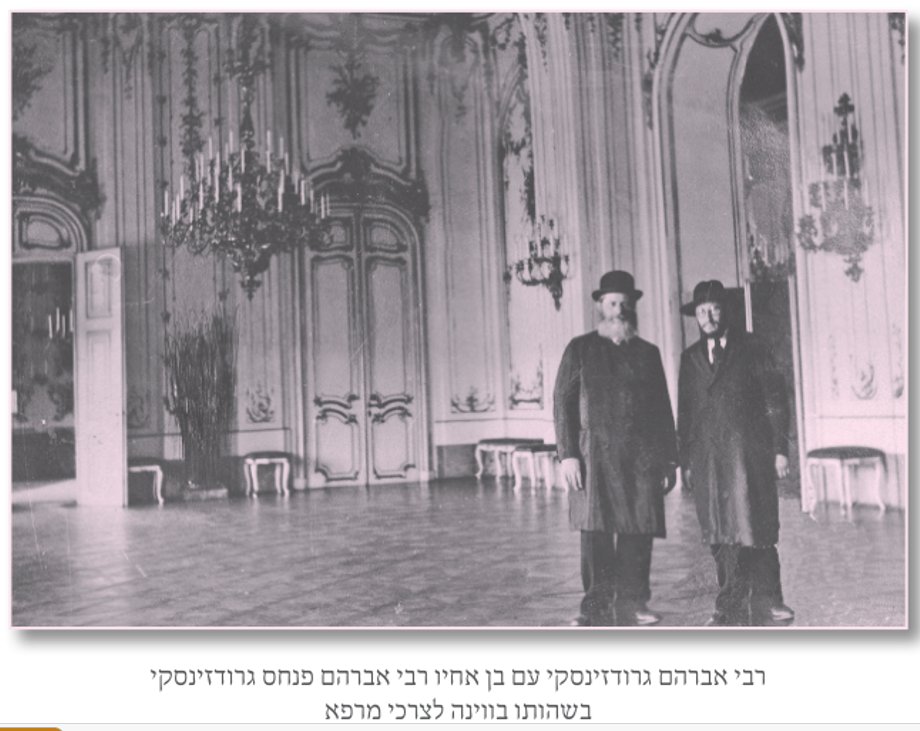
גני ארמון שנברון בווינה, בין השנים 1929 ו-1939. הרב אברהם גרודזינסקי עם אחיינו הרב אברהם פינחס גרודזינסקי. על פי הביוגרפיה "יחיד בדורו", הרב אברהם היה בווינה לצורך טיפול רפואי. בתי החולים והסנטוריומים של וינה משכו מטופלים מהקהילות הדתיות של מזרח אירופה לאורך העשורים שבין המלחמות; גני שנברון — שנפתחו לציבור לאחר נפילת בית הבסבורג ב-1918 — היו מקום התאוששות מקובל בין הטיפולים. הרב אברהם גרודזינסקי היה המשגיח — המנטור הרוחני — של ישיבת סלבודקה בליטא, המוסד המוביל של תנועת המוסר.
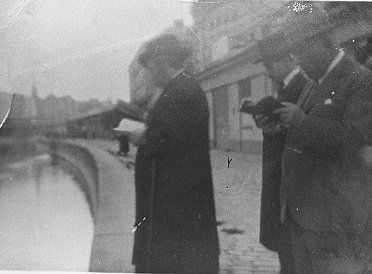
וינה, בין השנים 1936 ו-1939. הרב אברהם יהושע השל מקופיצ'ניץ על הגשר מעל הדנובה. הוא אומר תשליך, תפילת ראש השנה שבה החטאים מושלכים באופן סמלי למים זורמים. הרבי מקופיצ'ניץ צירף את אמירת התשליך עם שלוש עשרה מידות הרחמים, שלוש עשרה שמות של אלוהים שנלקחו משמות ל"ד ונאמרים בנוהג החסידי בימי דין. הרבנים הגליציאנים והבוקובינים של וינה אספו את חסידיהם על הדנובה בכל ראש השנה למנהג זה — המשכיות של נוהג שהביאו איתם מנהרות גליציה.
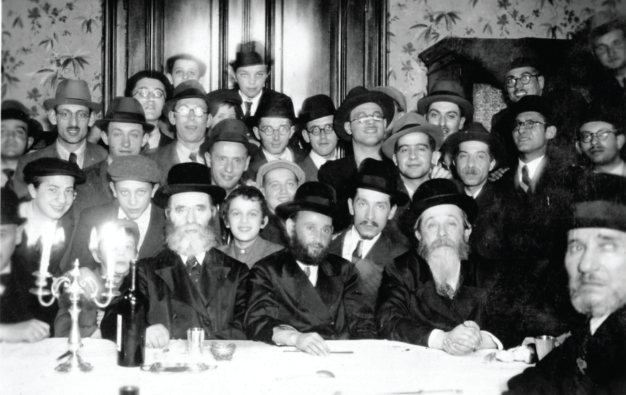
וינה, 1937. חתונתו של הרב אברהם יעקב טייטלבוים. הרב אברהם יהושע השל מקופיצ'ניץ וגיסו הרב אברהם יעקב מסדיגורה נכחו. השניים היו קרובים: נשותיהם היו אחיות, בנותיו של הרב יצחק מאיר השל מקופיצ'ניץ, ובתי הדין שלהם בוינה פעלו כמשפחה מורחבת אחת. הרב טייטלבוים יחצה מאוחר יותר את האוקיינוס האטלנטי ויוביל את צעירי אגודת ישראל של אמריקה. התמונה היא אחת מתמונות הקבוצה האחרונות של הנהגת החסידים בוינה לפני האנשלוס של מרץ 1938.
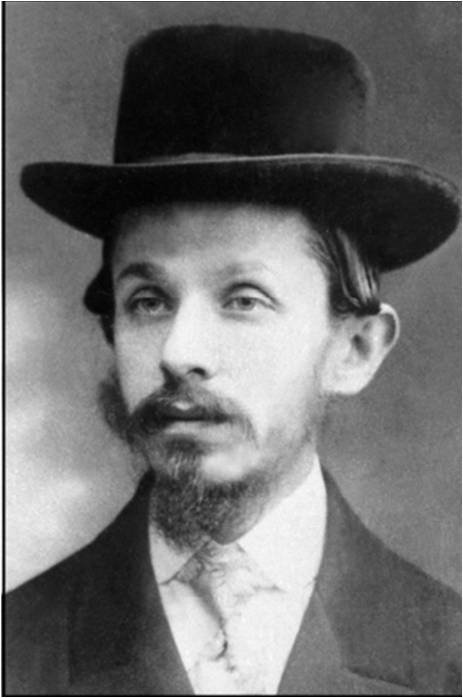
התערוכה עוקבת אחר קהילה שנגמרה בשנת 1938. במרץ של אותה שנה, האנשלוס הביא את שלטון הנאצים לאוסטריה. הרבנים המוצגים בתערוכה זו עזבו את וינה במהלך החודשים שלאחר מכן. הרב ישראל מהוסיאטין כבר עלה לארץ בשנת 1937; הרב אברהם יעקב פרידמן מסדיגורה השיג ויזה לארץ ישראל והקים מחדש את חצרו בתל אביב. הרב אברהם יהושע השל מקופיצ'יניץ נעצר על ידי הגסטפו ולפי חסידיו, נאלץ לקרצף את מדרכות וינה עם מברשת שיניים. הוא סירב לעזוב את העיר כל עוד חסידיו נשארו. לאחר שרובם נמלטו או גורשו, הפליג לניו יורק באביב 1939. הוא הקים מחדש את שטיבל קופיצ'יניץ בלואר איסט סייד של מנהטן, העביר את החצר לבורו פארק בשנת 1965, ונפטר בשנת 1967.