
Exhibit · Article
האור האחרון של סלובודקה: הרב אברהם גרודזינסקי, תרמ"ג–תש"ד
שבע תצלומים עוקבים אחר חיים אחד מבתי המדרש של ליטא ועד לגטאות השואה
באמצעות שבע תצלומים מאוסף הרב פרלוב, תערוכה זו עוקבת אחר חייו של הרב אברהם גרודזינסקי — המשגיח הרוחני של ישיבת סלובודקה המפורסמת בקובנה, ליטא. מנעוריו כתלמיד חכם מבטיח, דרך עשרות שנות הדרכה של מאות תלמידים במסורת המוסר, ועד שנותיו האחרונות בגטו קובנה שם אולץ לגלח את זקנו והמשיך ללמד עד רציחתו בתמוז תש"ד.
2 min read
האור האחרון של סלבודקה. רבי אברהם גרודזינסקי, 1883 עד 1944.
סלבודקה, פרבר של קובנה בליטא, הייתה מקום מושבה של אחת הישיבות המשפיעות ביותר במזרח אירופה לפני מלחמת העולם השנייה. הישיבה לימדה במסורת תנועת המוסר, בית ספר אתי ליטאי מהמאה התשע-עשרה. הרב אברהם גרודזינסקי שימש שם כמשגיח — מנהל רוחני — משנת 1924 ועד מותו בגטו קובנה בשנת 1944.
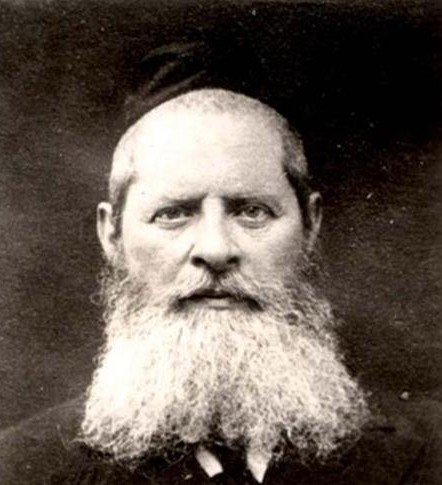
בין השנים 1929 ו-1939. הרב אברהם גרודזינסקי. הוא למד בישיבת סלבודקה תחת מייסדה, הרב נתן צבי פינקל, הידוע בכינויו "האלטער" — הזקן — מסלבודקה.
הרב גרודזינסקי הפך למשגיח של סלבודקה בשנת 1924, לאחר פטירתו של הרב נתן צבי פינקל, הסבא מסלבודקה. המשגיח אחראי על העיצוב המוסרי והאתי של תלמידי הישיבה, בנפרד מלימודיהם התלמודיים. השיחות ששרדו של גרודזינסקי נאספו לאחר המלחמה תחת הכותרת תורת אברהם.
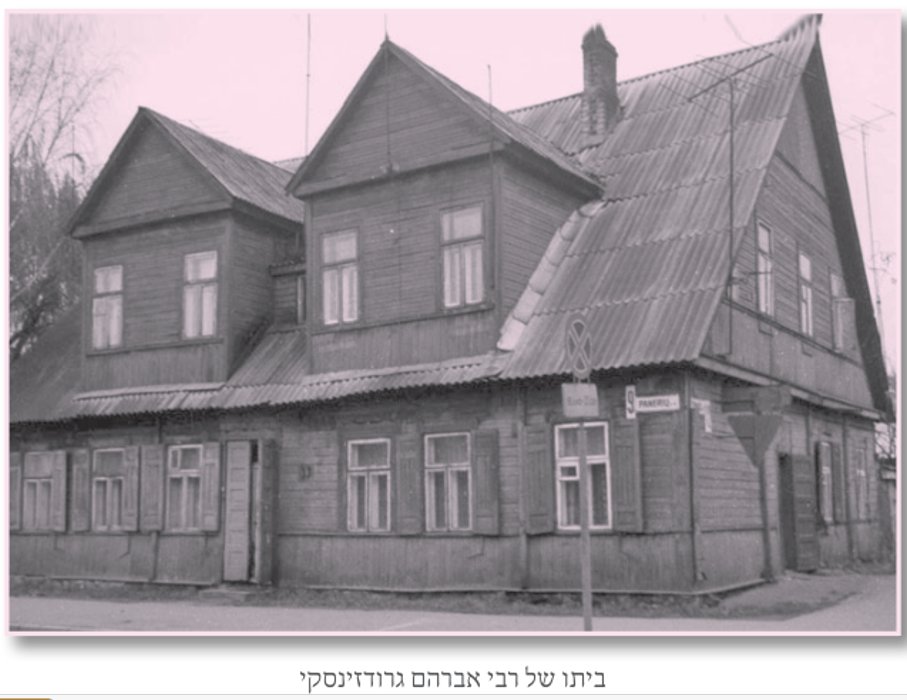
ביתו של הרב אברהם גרודזינסקי בסלבודקה. התצלום מופיע בביוגרפיה "יחיד בדורו", שפורסמה לאחר המלחמה.
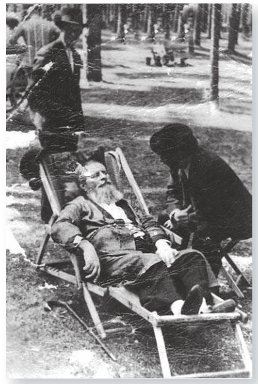
בין 1929 ל-1939. הרב אברהם גרודזינסקי באתר נופש בריאות בין תקופות הלימוד של הישיבה. התצלום מופיע בכרך הביוגרפי על חוגו של הסבא מסלבודקה, הרב איצלה.
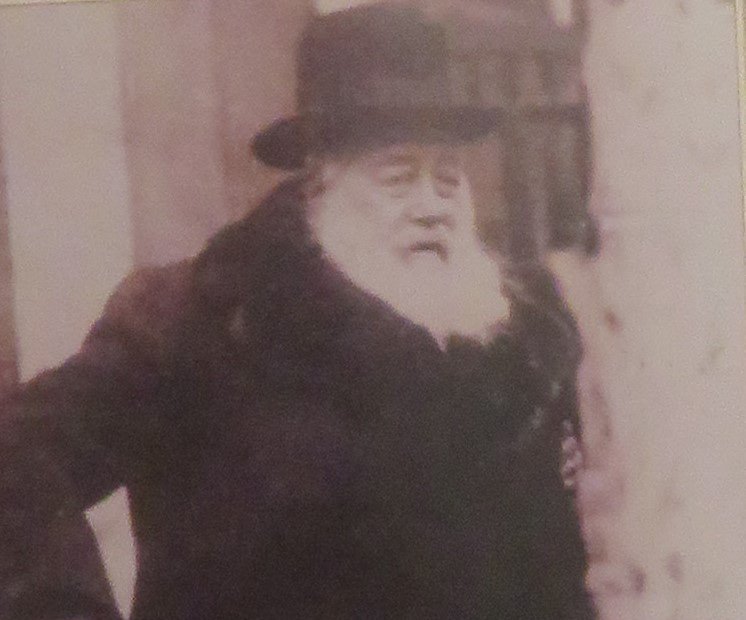
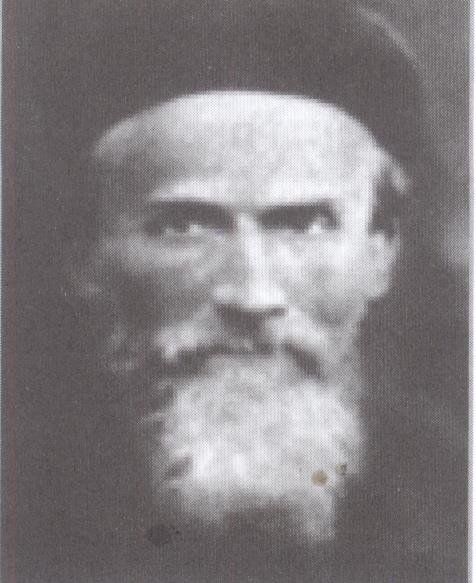
שתי תמונות משנות המלחמה. הרב אברהם גרודזינסקי בגטו קובנה, בין השנים 1939 ו-1941, לאחר שהכיבוש הגרמני הכריח אותו לגלח את זקנו. הרב אברהם דב טברסקי מרחמיסטריווקה, צולם אי שם בין השנים 1936 ו-1944.
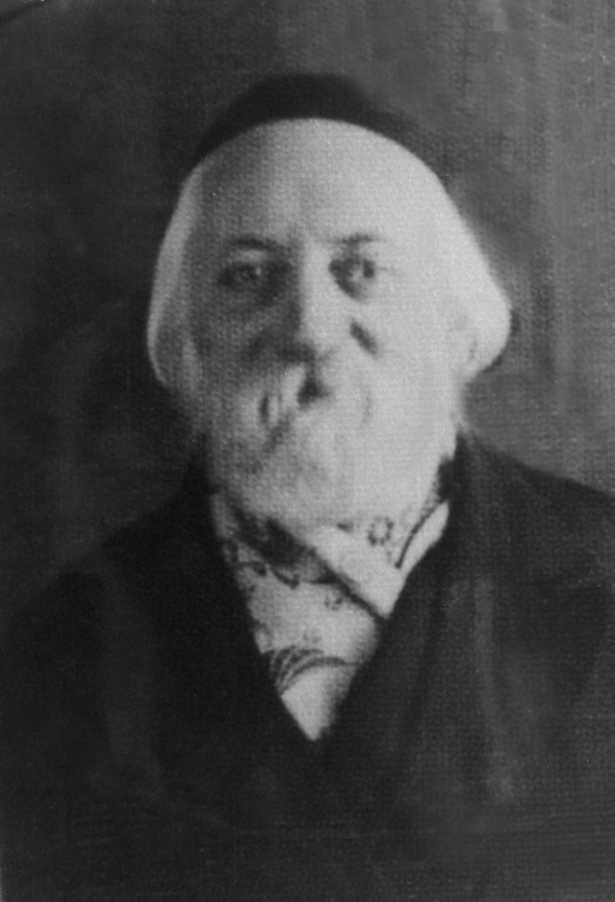
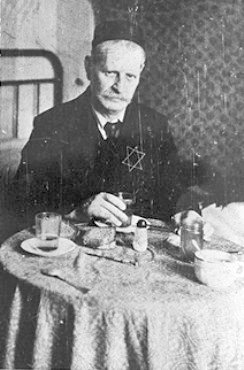
רבי אברהם דב טברסקי מרחמיסטריווקא — תרצ"ו-תש"ד / הרב אברהם גרודזינסקי אחרי שאולץ לגלח את זקנו בגיטו בימי השואה — ת"ש-תש"א
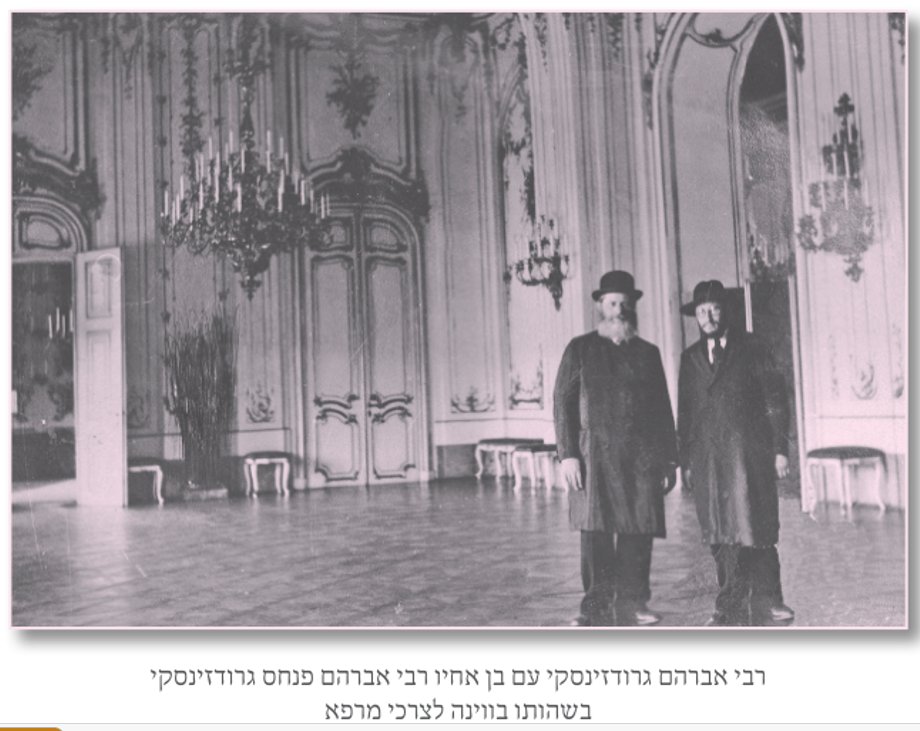
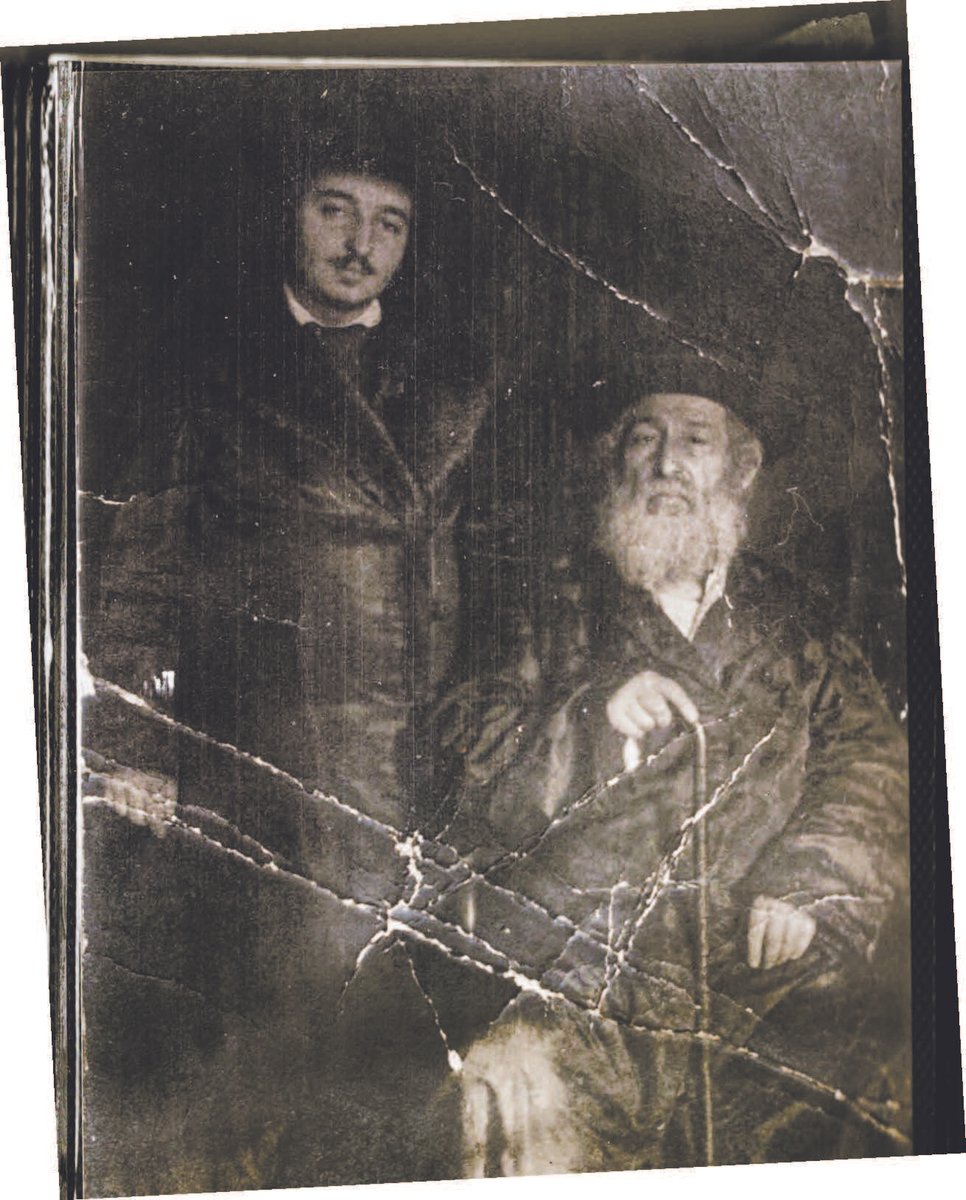
גני ארמון שנברון, וינה, בין השנים 1929 ו-1939. הרב אברהם גרודזינסקי עם אחיינו הרב אברהם פנחס גרודזינסקי. לפי "יחיד בדורו", הרב אברהם היה בוינה לצורך טיפול רפואי.
22 ביוני 1941. מבצע ברברוסה. הכוחות הגרמניים התקדמו לתוך ליטא הכבושה על ידי הסובייטים. עד אוגוסט, הקהילה היהודית של קובנה הוגבלה לגטו בשכונת סלבודקה.
גטו קובנה, 1941 עד 1944. הישיבה נהרסה בימים הראשונים של הכיבוש הגרמני. בתוך הגטו, הרב גרודזינסקי המשיך להעביר שיחות מוסר — הדרשות האתיות שידועה הייתה סלבודקה בזכותן. שיחותיו מאותן שנים נאספו לאחר המלחמה ופורסמו כ"תורת אברהם".
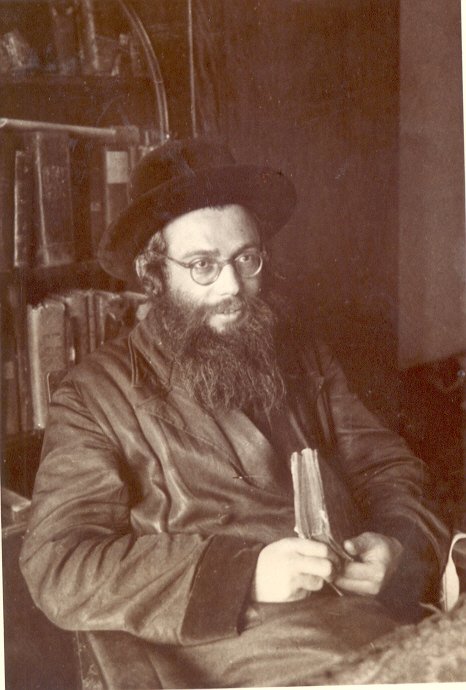
בין השנים 1934 ו-1939. הרב אברהם דוד הורוביץ, אב בית דין של שטרסבורג. הוא שרד את המלחמה והתיישב מחדש בשטרסבורג, שם שימש כרב הראשי.
רבי אברהם גרודזינסקי נפטר בקובנה בשנת 1944. הוא היה בן שישים ואחת. לאחר המלחמה, תלמידים ששרדו מסלבודקה הקימו מחדש את הישיבה בבני ברק, במדינת ישראל. היא ידועה היום כישיבת סלבודקה בני ברק. תורת אברהם, אוסף משיחות המוסר שלו, נלמד בישיבות במסורתו.
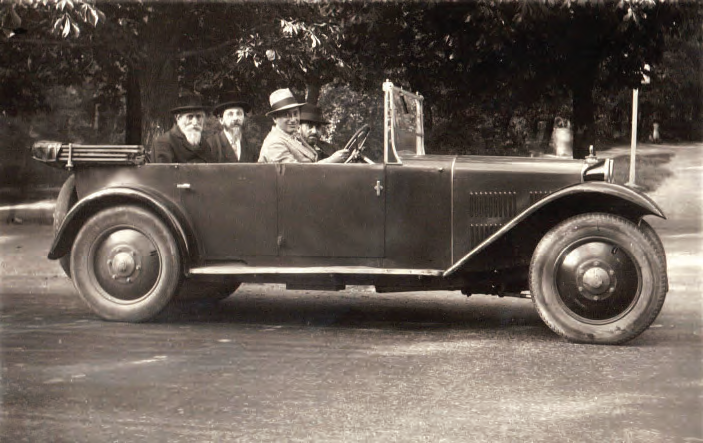
רבי אברהם גרודזינסקי. 1883 עד 1944.
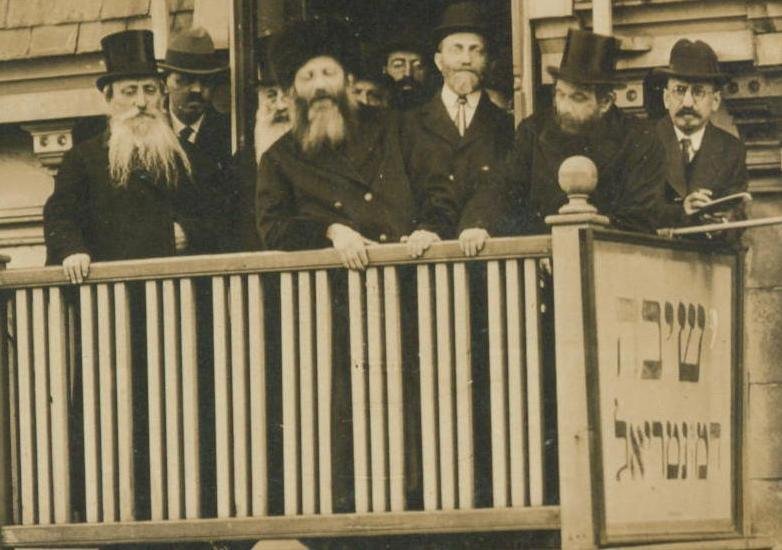
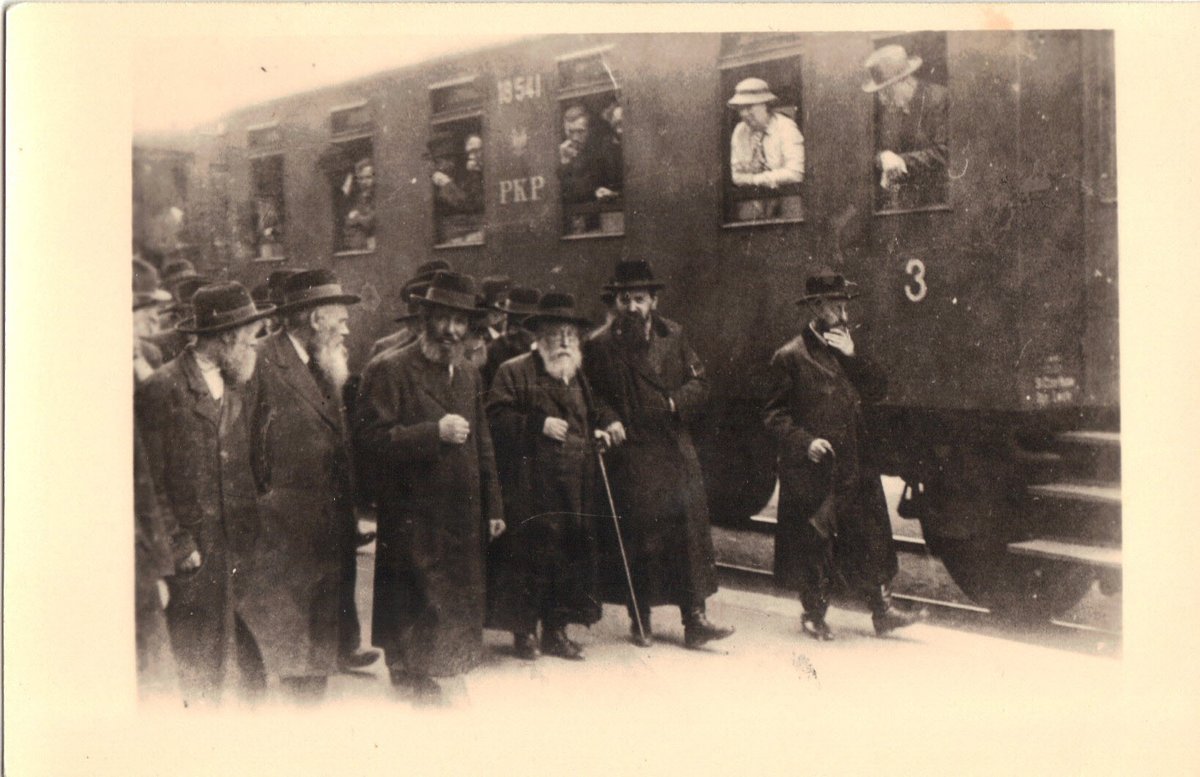
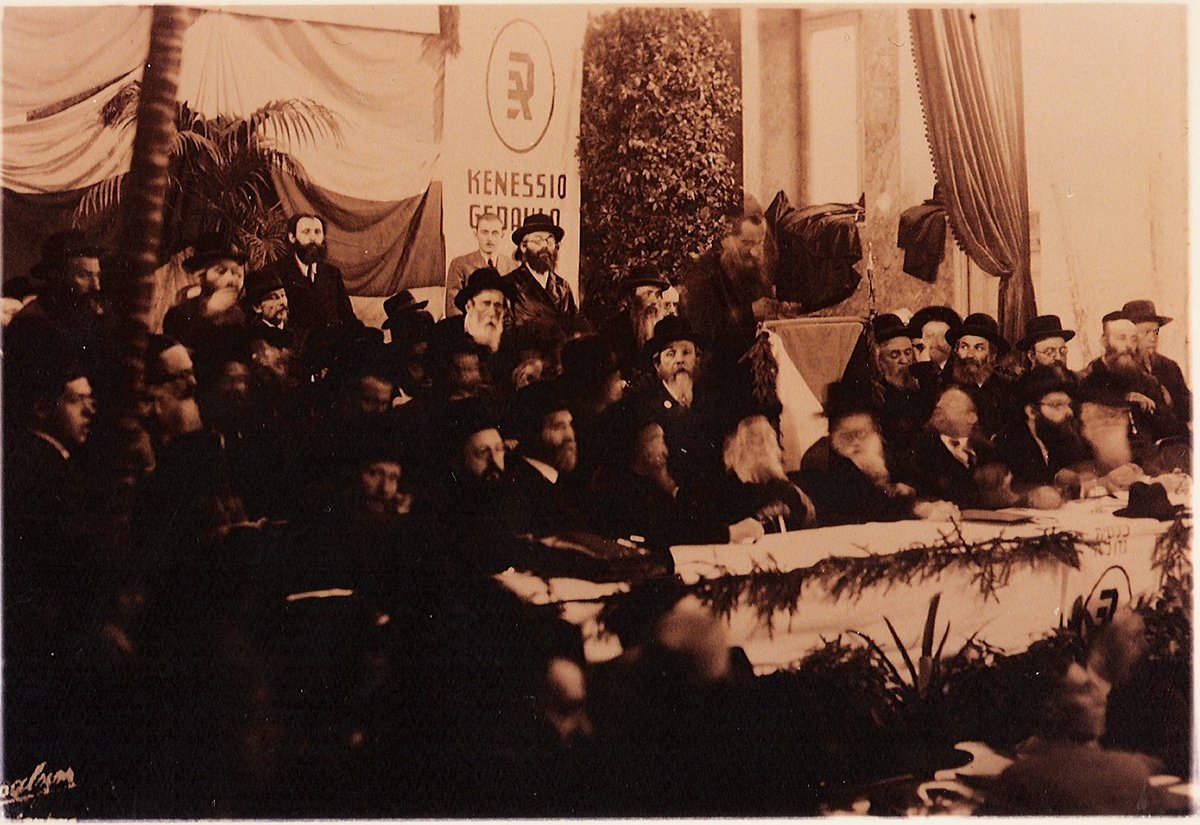
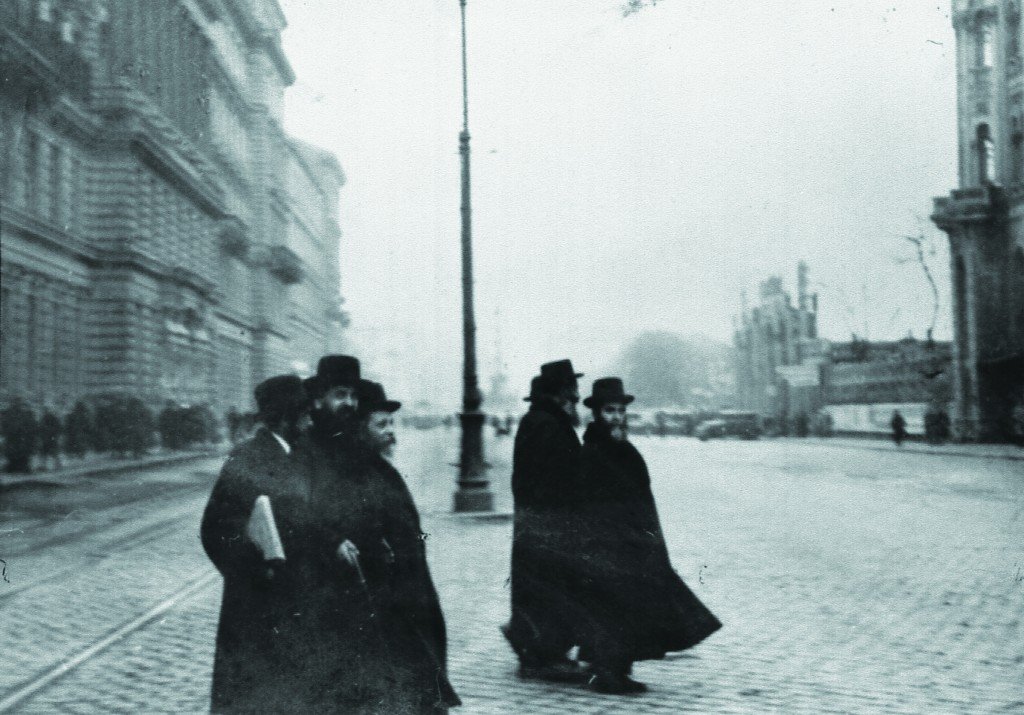
תמונות ממעגל סלבודקה, לפני המלחמה ובמהלכה. הרב אברהם אהרן בורשטיין. הרב אברהם חיים הורוביץ מפלונצ'ק. הרב אברהם יהושע השל ממז'יבוז'-טרנופול עם דודו הרב ישראל מהוסיאטין בתחנת הרכבת בטרנופול. הרב אברהם יהושע השל מקופיצ'ינצה כאיש צעיר בווינה. הרב אליעזר מוויז'ניץ, הדמשק אליעזר, עם הרב אברהם יעקב מסדיגורה, האביר יעקב, והרב אברהם יהושע השל מקופיצ'ינצה, מלווים את השל ממז'יבוז'-טרנופול לרכבת בסיום ביקור. הרב אברהם דב כהנא שפירא עם הרב משה מרדכי אפשטיין והרב אברהם יצחק קוק במונטריאול, 1924.
Timeline
1883. נולד בוורשה. 1924. מונה למשגיח של סלבודקה. 1941. נכלא בגטו קובנה. 1944. נפטר בקובנה. לאחר המלחמה. סלבודקה הוקמה מחדש בבני ברק.
- 1883 נולד
נולד בוורשה למשפחה של תלמידי חכמים.
- 1924 משגיח רוחני
מונה למשגיח רוחני של ישיבת סלובודקה בגיל 41.
- 1941 גטו
מאולץ אל גטו קובנה עם 30,000 יהודים לאחר הפלישה הנאצית.
- 1944 נרצח
נרצח בחיסול גטו קובנה, בגיל 61.
- 1947 הישיבה קמה לתחייה
ישיבת סלובודקה שבה להיווסד בבני ברק, ישראל, על ידי תלמידים ניצולים.
Map
ורשה, 1883. לידה. סלבודקה, ליד קובנה, ליטא. הישיבה — שלושה עשורים של הוראה. גטו קובנה, 1941 עד 1944. השנים האחרונות. בני ברק, מדינת ישראל. המשך הישיבה.