
Exhibit · Article
The Last Light of Slabodka: Rabbi Avraham Grodzinski, 1883–1944
Seven photographs trace one life from the study halls of Lithuania to the ghettos of the Holocaust
Through seven photographs from the Rabbi Perlow Collection, this exhibit traces the life of Rabbi Avraham Grodzinski — the spiritual director of the legendary Slabodka Yeshiva in Kovno, Lithuania. From his youth as a promising scholar, through decades of guiding hundreds of students in the Mussar tradition of ethical self-examination, to his final years in the Kovno Ghetto where he was forced to shave his beard and continued teaching until his murder in July 1944.
6 min read
The Last Light of Slabodka. Rabbi Avraham Grodzinski, 1883 to 1944.
Slabodka — Vilijampolė in Lithuanian — was a Jewish suburb of Kaunas, the city the Yiddish-speaking world called Kovno. From 1882 it was the seat of the yeshiva of Knesses Yisrael, founded by Rabbi Nosson Tzvi Finkel. The yeshiva taught in the tradition of Mussar, the nineteenth-century Lithuanian school of ethical self-examination begun by Rabbi Yisrael Salanter. Rabbi Avraham Grodzinski served at Slabodka as mashgiach — the spiritual director of the yeshiva, responsible for the moral formation of its students — from the mid-1920s until his death in the Kovno ghetto in 1944.
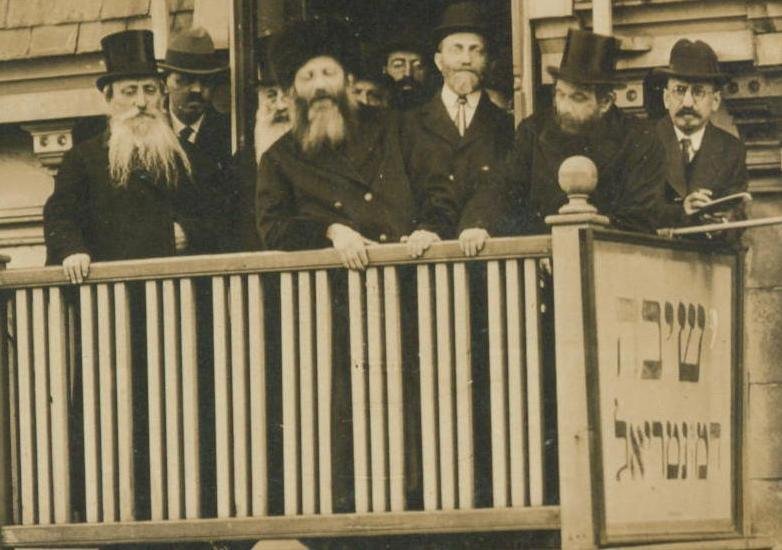
Slabodka — Vilijampolė in Lithuanian — was a Jewish suburb of Kaunas, the city the Yiddish-speaking world called Kovno.
the nineteenth-century Lithuanian school of ethical self-examination begun by Rabbi Yisrael Salanter.
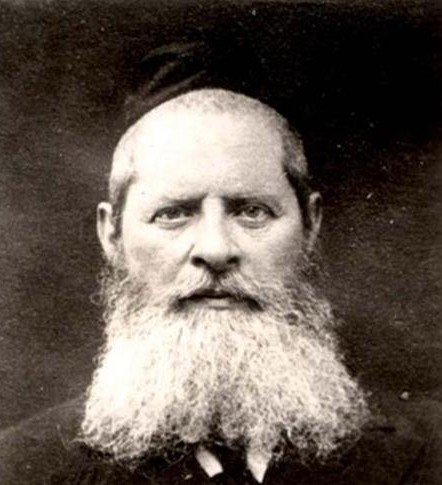
Rabbi Avraham Grodzinski. The photograph is dated approximately 1929 to 1939. Grodzinski was born in Warsaw in 1883. He entered the Slabodka Yeshiva in 1899, at the age of seventeen, and became the primary disciple of its founder Rabbi Nosson Tzvi Finkel, known as the Alter — the Elder — of Slabodka. The Alter's teaching centered on what he called gadlut ha-adam, the greatness of the human being: that every student carried within him the capacity for moral and intellectual greatness, and that the work of the yeshiva was to bring this capacity out.
Rabbi Avraham Grodzinski. The photograph is dated approximately 1929 to 1939.
the greatness of the human being: that every student carried within him the capacity for moral and intellectual greatness, and that the work of the yeshiva was to bring this capacity out.
In 1924 the Lithuanian state required yeshiva students to enlist in the army or to add secular subjects to their studies. A large part of the Slabodka Yeshiva, under Rabbi Moshe Mordechai Epstein, relocated to Hebron in Mandatory Palestine. Rabbi Grodzinski was sent ahead to help establish the new branch. He returned to Lithuania, and after the death of the Alter in 1927 he took on full responsibility for the spiritual direction of the yeshiva that remained in Slabodka. The role of the mashgiach was distinct from that of the rosh yeshiva, who taught Talmud. The mashgiach was responsible for the inner life of the students — their character, their conduct, their growth as people.
In 1924 the Lithuanian state required yeshiva students to enlist in the army or to add secular subjects to their studies. [short pause] A large part of the Slabodka Yeshiva, under Rabbi Moshe Mordechai Epstein, relocated to Hebron in Mandatory Palestine. Rabbi Grodzinski was sent ahead to help establish the new branch.
In 1924 the Lithuanian state required yeshiva students to enlist in the army or to add secular subjects to their studies.
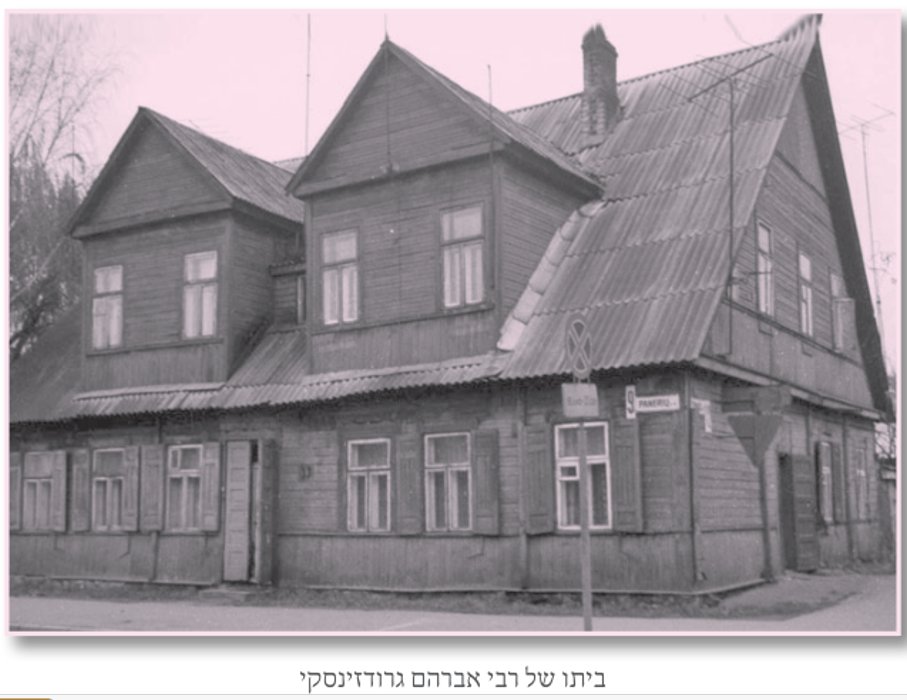
The home of Rabbi Avraham Grodzinski in Slabodka. The photograph is reproduced in the biographical volume Yachid b'Doro, published after the war by surviving members of his circle.
The home of Rabbi Avraham Grodzinski in Slabodka.
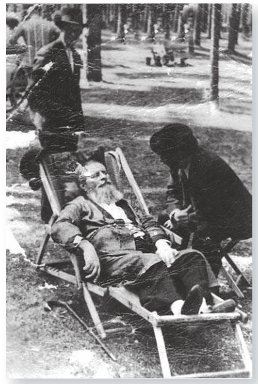
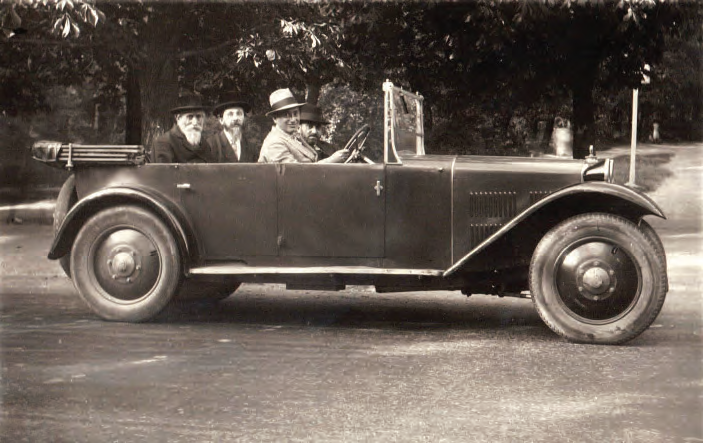
Between 1929 and 1939. Rabbi Avraham Grodzinski at a health resort during a break between the academic terms of the yeshiva. Grodzinski was in poor health for much of his adult life, and traveled periodically for medical treatment. The photograph is reproduced in the biographical volume on the circle of the Alter of Slabodka, Rabbi Itzla.
Between 1929 and 1939. Rabbi Avraham Grodzinski at a health resort during a break between the academic terms of the yeshiva.
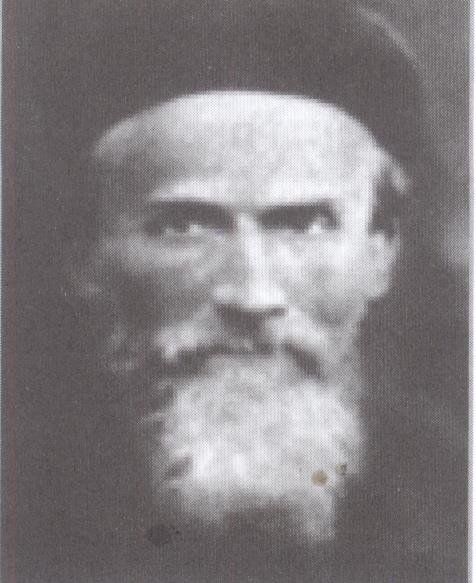
Two photographs from the years of war. Rabbi Avraham Grodzinski in the Kovno ghetto, photographed between 1939 and 1941, after the German occupation forced him to shave his beard. For an observant rabbi the cutting of the beard was a public humiliation, intended as such by the occupiers. Beside this image: Rabbi Avraham Dov Twersky of Rachmistrivka, photographed between 1936 and 1944. He belonged to a Hasidic dynasty of Ukraine, far from Slabodka in geography and in school — but caught in the same span of years.
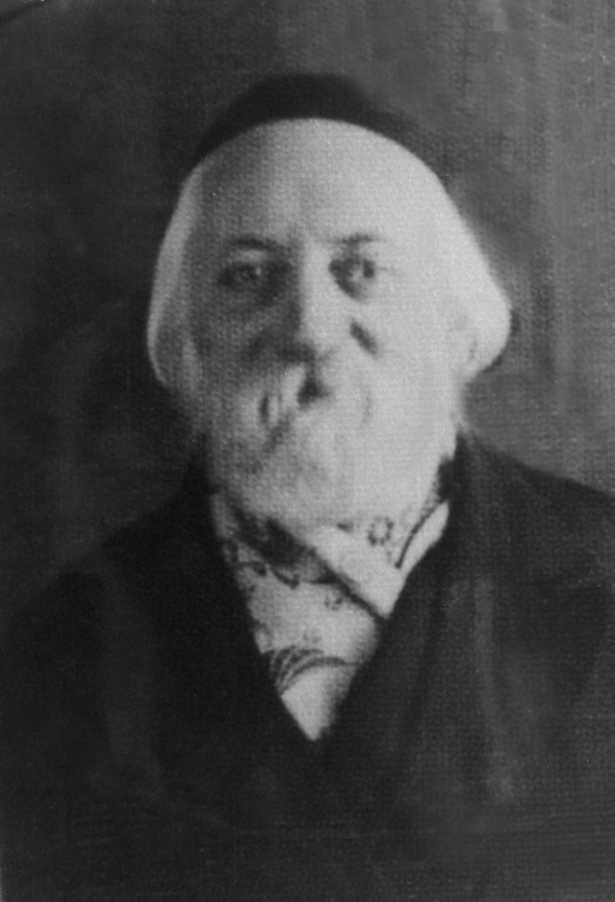
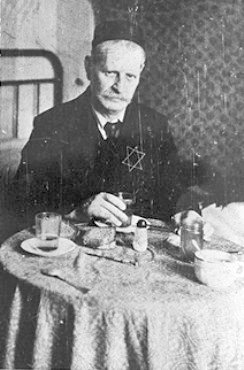
Rabbi Avraham Dov Twersky of Rachmistrivka — תרצ"ו-תש"ד / Rabbi Avraham Grodzinski — ת"ש-תש"א
Two photographs from the years of war.
intended as such by the occupiers.
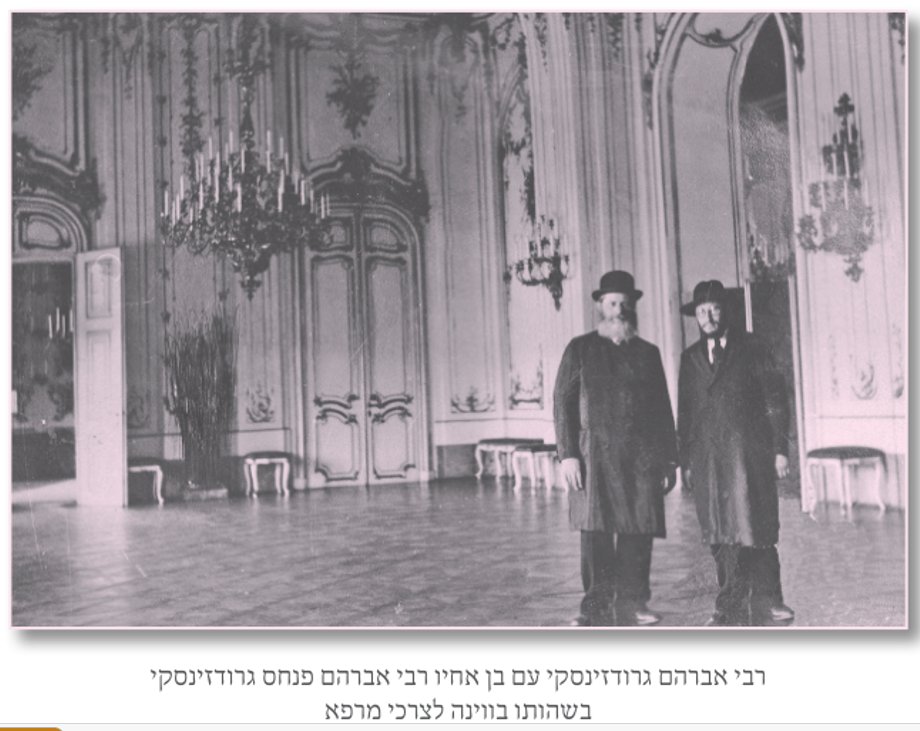
The Schönbrunn Palace gardens in Vienna, between 1929 and 1939. Rabbi Avraham Grodzinski with his nephew Rabbi Avraham Pinchas Grodzinski. According to the biography Yachid b'Doro, Rabbi Avraham was in Vienna for medical care. The Habsburg capital, still a center of European medicine in the interwar years, drew rabbis from across the former empire and beyond when they were ill.
The Schönbrunn Palace gardens in Vienna, between 1929 and 1939. Rabbi Avraham Grodzinski with his nephew Rabbi Avraham Pinchas Grodzinski.
June 22, 1941. Operation Barbarossa. In the first week of the German advance, Lithuanian nationalist units and the German Einsatzgruppen began killing the Jews of Slabodka. By August, the survivors of greater Kovno were sealed into a ghetto in Slabodka itself.
Kovno ghetto, 1941 to 1944. The yeshiva building was lost in the first days of the occupation. Many of its students and faculty were killed in the Slabodka pogrom of June 25 to 29, 1941, and in the months of mass shootings at the Ninth Fort that followed. On October 29, 1941 — the "Great Aktion" — German forces selected approximately ten thousand of the ghetto's inhabitants and murdered them at the Ninth Fort. Aktion was the German word for a deportation operation, used by the perpetrators to name mass killings. Inside what remained of the ghetto, Rabbi Grodzinski continued to deliver mussar talks — the ethical discourses for which Slabodka had been known. Surviving students later collected these talks and published them under the title Torat Avraham.
Kovno ghetto, 1941 to 1944. The yeshiva building was lost in the first days of the occupation. [short pause] Many of its students and faculty were killed in the Slabodka pogrom of June 25 to 29, 1941, [seriously] and in the months of mass shootings at the Ninth Fort that followed.
Kovno ghetto, 1941 to 1944. The yeshiva building was lost in the first days of the occupation.
Aktion was the German word for a deportation operation, used by the perpetrators to name mass killings.
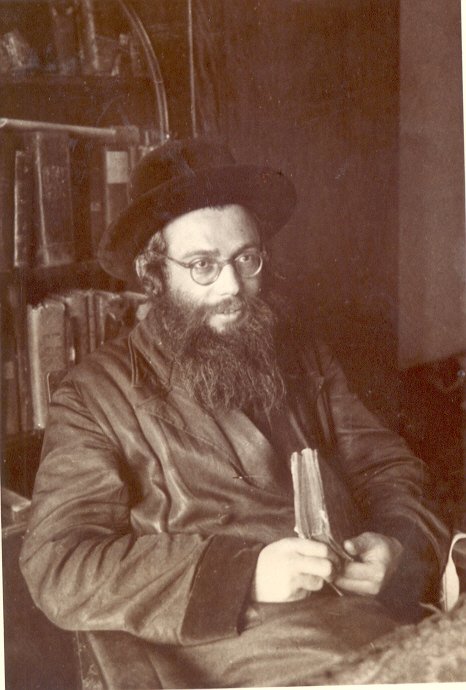
Between 1934 and 1939. Rabbi Avraham David Horowitz, Av Beis Din of Strasbourg. Av Beis Din is the head of a local rabbinical court. Of the rabbis who appear in this exhibit, Horowitz was among those who survived the war. He resumed his rabbinical work in postwar Europe.
Between 1934 and 1939. Rabbi Avraham David Horowitz, Av Beis Din of Strasbourg.
On July 8, 1944, as Soviet forces approached, the Germans began the final liquidation of the Kovno ghetto. Buildings were razed with grenades and dynamite. Roughly two thousand of the remaining inhabitants were killed or burned alive in the destruction. Rabbi Avraham Grodzinski was a patient in the ghetto hospital when it was set on fire. He died on the 27th of Tammuz, 5704 — July 13, 1944. He was sixty-one years old. Of his eight children, four were murdered in the Holocaust; four survived. After the war, the European yeshiva of Slabodka was reestablished in Bnei Brak by Rabbi Yitzchak Isaac Sher — the Alter's son-in-law — and Rabbi Mordechai Shulman, on the advice of the Chazon Ish. It continues there today as the Slabodka Yeshiva of Bnei Brak. Torat Avraham, the collection of his mussar discourses, was prepared for publication by his son Rabbi Yitzchak Grodzinski. It is studied in yeshivas in his tradition.
Roughly two thousand of the remaining inhabitants were killed or burned alive in the destruction.
He died on the 27th of Tammuz, 5704 — July 13, 1944.
Rabbi Avraham Grodzinski. 1883 to 1944.
Photographs of the Slabodka circle and its wider rabbinical world, before and during the war. Rabbi Avraham Aharon Burshtain. Rabbi Avraham Chaim Horowitz of Plontch. Rabbi Avraham Yehoshua Heshel of Mezhbuzh-Ternopil with his uncle Rabbi Yisrael of Husiatyn at the Ternopil train station. Rabbi Avraham Yehoshua Heshel of Kopyczynce as a young man in Vienna. The brothers-in-law Rabbi Eliezer of Vizhnitz — the Damesek Eliezer — Rabbi Avraham Yaakov of Sadigura — the Abir Yaakov — and Rabbi Avraham Yehoshua Heshel of Kopyczynce, accompanying Heshel of Mezhbuzh-Ternopil to the train at the end of a visit. Rabbi Abraham Dov Kahana Shapiro of Kovno with Rabbi Moshe Mordechai Epstein of Slabodka-Hebron and Rabbi Avraham Yitzchak Kook, photographed in Montreal during their 1924 visit to North America.
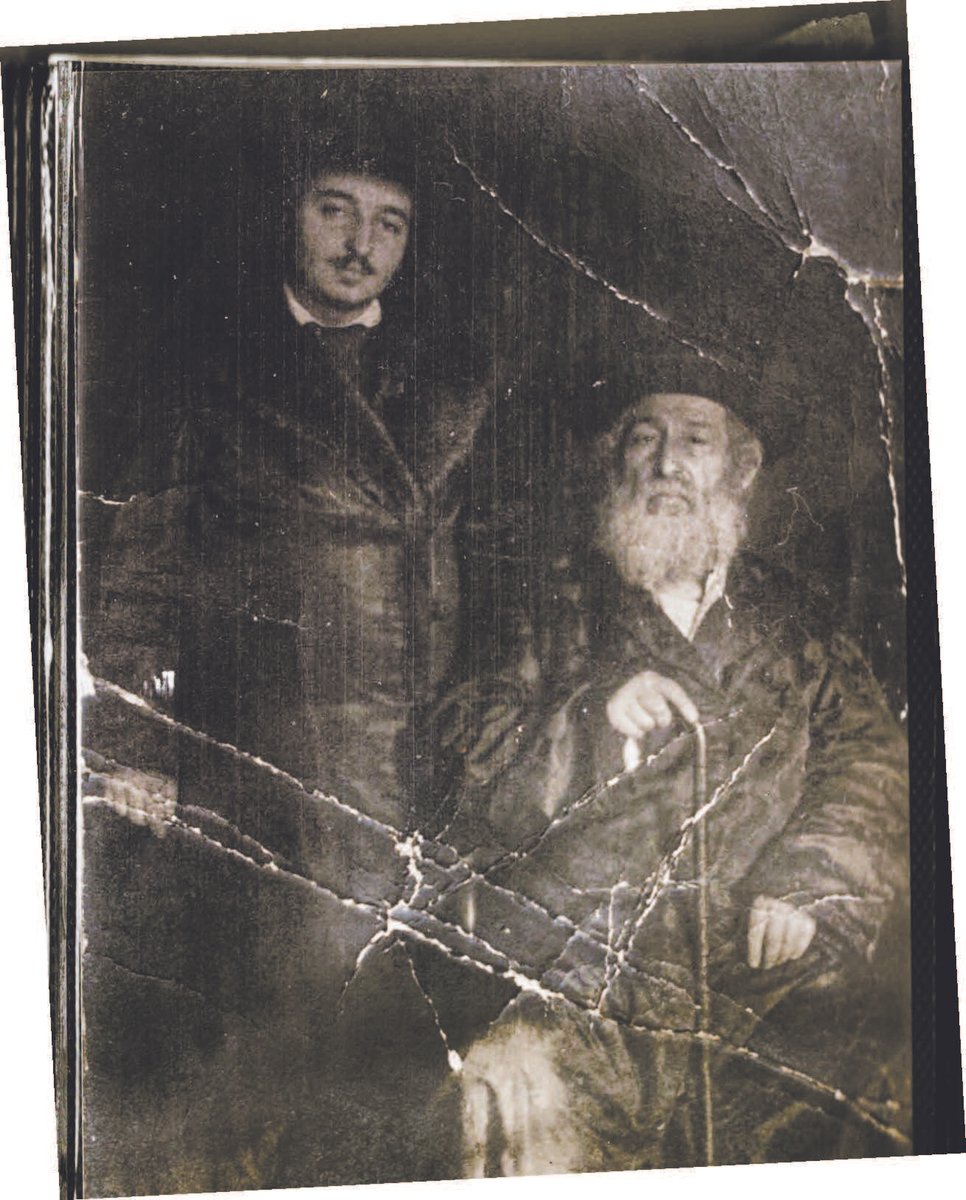
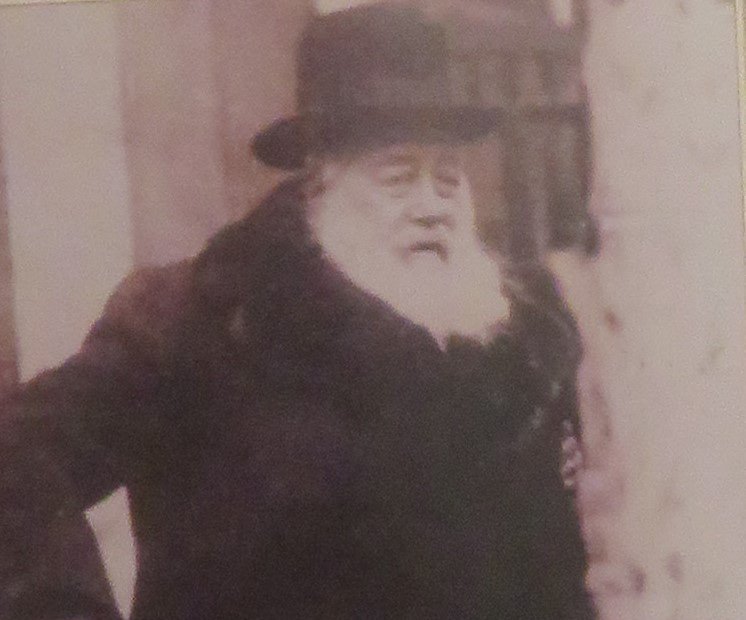
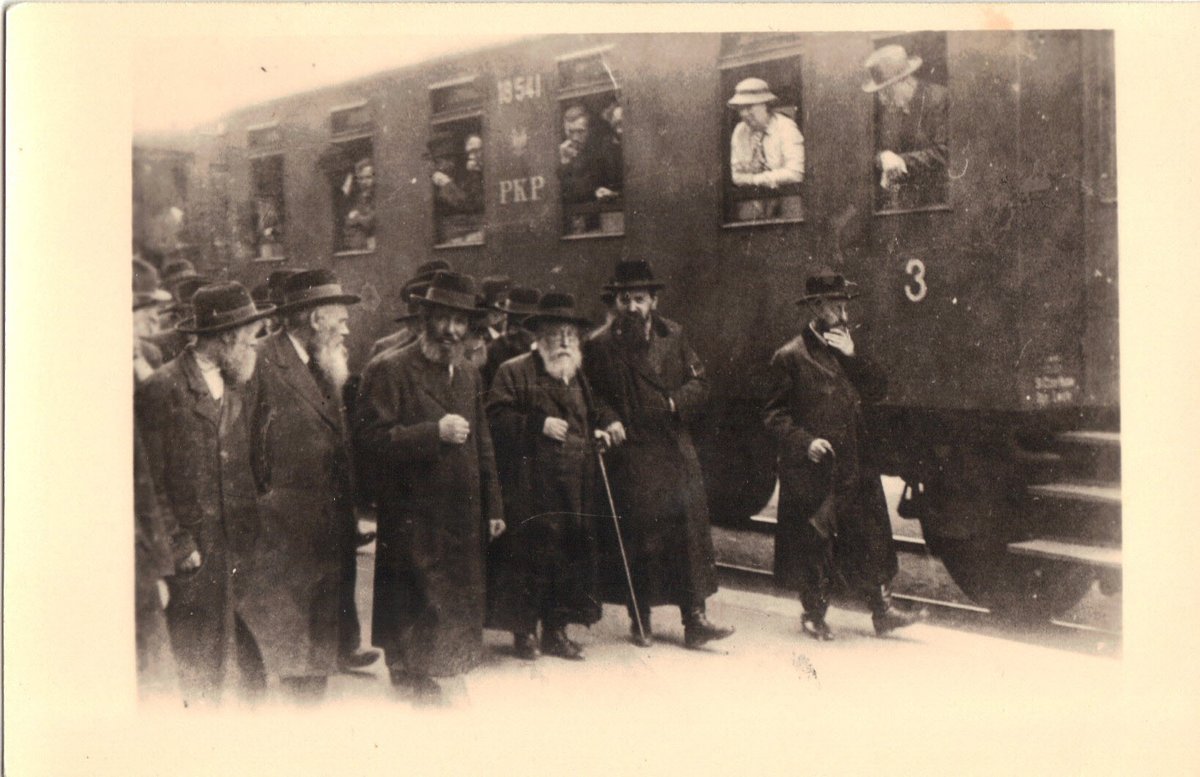
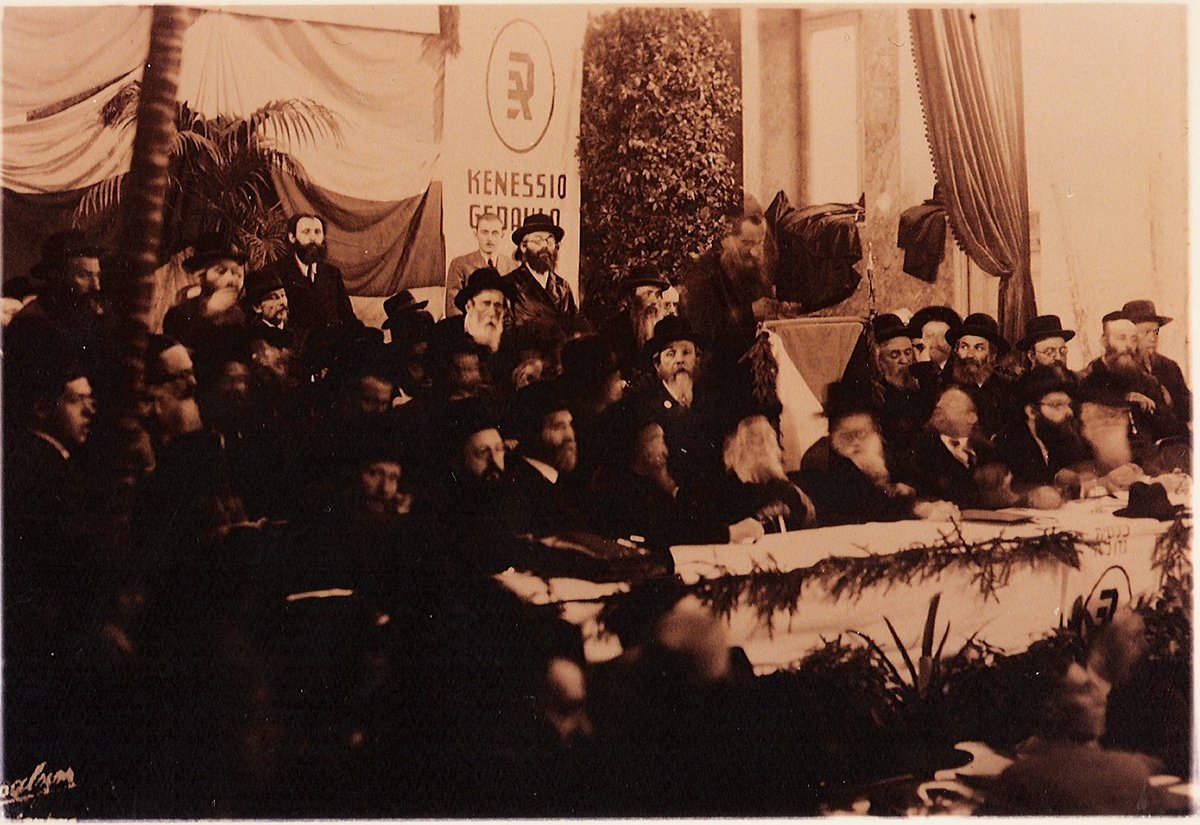
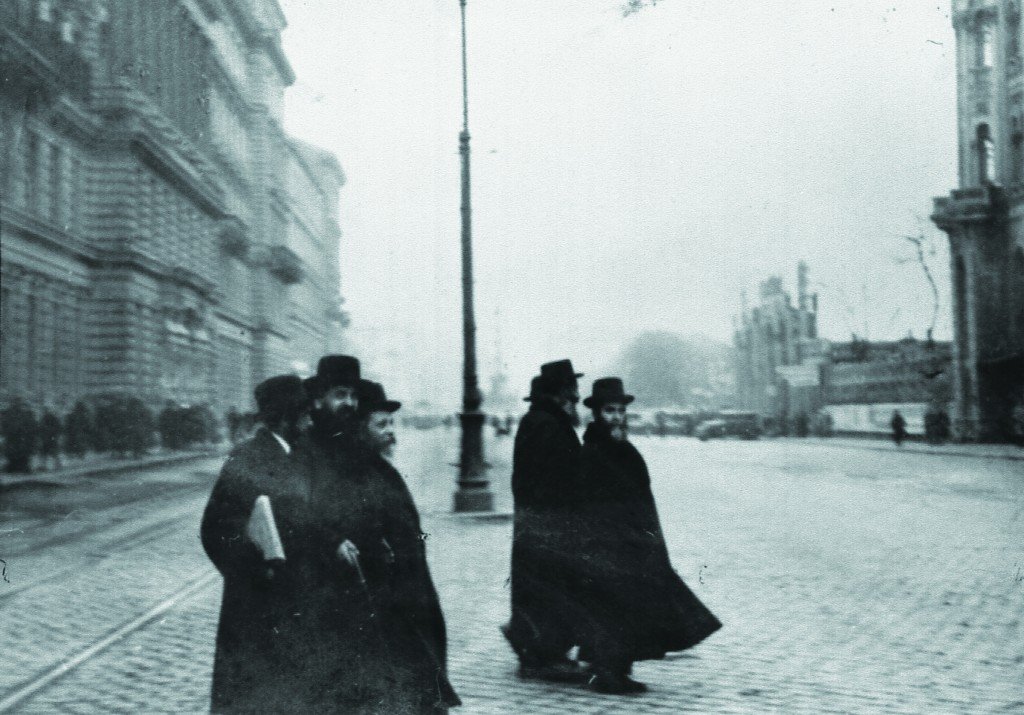
Photographs of the Slabodka circle and its wider rabbinical world, before and during the war.
photographed in Montreal during their 1924 visit to North America.
Timeline
1883. Born in Warsaw. 1899. Enters the Slabodka Yeshiva at the age of seventeen. 1924 to mid-1920s. Appointed mashgiach of Slabodka after a period assisting the establishment of the yeshiva's branch in Hebron. August 1941. Confined to the Kovno ghetto. July 13, 1944. Dies in the burning of the ghetto hospital during the final liquidation. 1947. Slabodka reestablished in Bnei Brak by Rabbi Yitzchak Isaac Sher.
- 1883 Born
Born in Warsaw, into a family of Torah scholars.
- 1924 Mashgiach
Becomes spiritual director of the Slabodka Yeshiva at age 41.
- 1941 Ghetto
Forced into the Kovno Ghetto with 30,000 other Jews after the Nazi invasion.
- 1944 Murdered
Killed during the liquidation of the Kovno Ghetto, age 61.
- 1947 Yeshiva reborn
Slabodka reestablished in Bnei Brak, Israel, by surviving students.
1883. Born in Warsaw.
Map
Warsaw, 1883. The city of his birth. Slabodka — Vilijampolė — across the Neris river from Kaunas. The yeshiva. Three decades of teaching, from his arrival in 1899 to the German invasion in 1941. Hebron, in Mandatory Palestine, in the mid-1920s. The branch of Slabodka he was sent to help establish, before the 1929 massacre forced its survivors to move to Jerusalem. Vienna. Periodic visits for medical care. The Kovno ghetto, established in Slabodka itself in August 1941. The hospital, July 13, 1944. Bnei Brak, in the State of Israel. The continuation of the yeshiva from 1947 onward.
Warsaw, 1883. The city of his birth.
before the 1929 massacre forced its survivors to move to Jerusalem.